Lost calls mean lost opportunities and a dent in customer confidence for small businesses. AI-powered voice agents streamline your phone support, slashing response times and ensuring every inquiry gets the attention it deserves. This guide dives into how AI voice agents operate, the advantages they bring, crucial features to consider, practical steps for implementation, and a comparison with conventional answering solutions.
What Are AI Voice Agents and How Do They Handle Calls for Small Businesses?
AI voice agents are sophisticated software applications that leverage automatic speech recognition and natural language processing to manage incoming calls. They identify caller intent, convert speech to text, direct inquiries, and provide answers without human intervention, forming the backbone of automated phone support. Grasping this fundamental capability opens the door to understanding the underlying definitions and technologies.
What Exactly Is an AI Voice Agent or Virtual Receptionist for a Small Business?
An AI voice agent, often referred to as a virtual receptionist, is a cloud-based system designed to answer calls, collect caller details, book appointments, and screen potential leads. It functions as your digital front desk, guaranteeing every caller receives an immediate and consistent response, thereby freeing up your team for more complex responsibilities.
How Do AI Voice Agents Utilize Natural Language Processing and Speech Recognition?
Natural language processing empowers the agent to decipher spoken language and understand the caller’s intent, while speech recognition instantly transforms audio into written text. These technologies work in tandem to comprehend requests, such as booking appointments or answering frequently asked questions, and formulate precise, context-aware responses.
How Does AI Call Answering Automate Phone Support for Small Businesses?
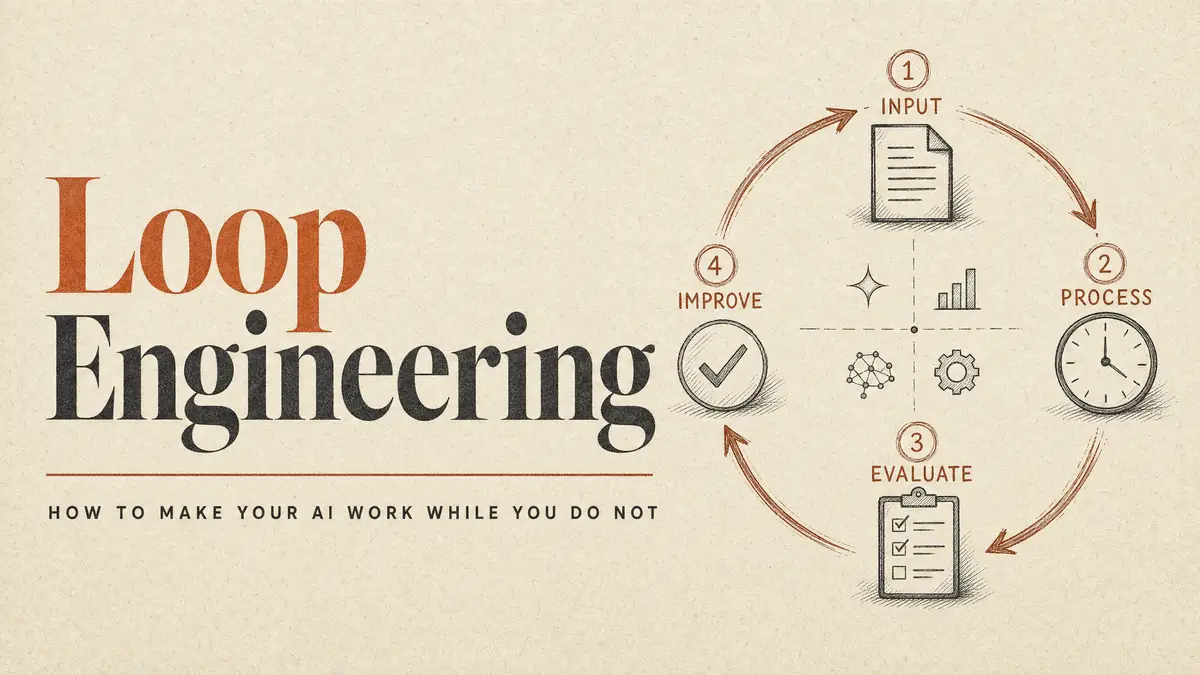
AI call answering typically follows a straightforward four-step sequence:
- The caller’s voice is captured through cloud telephony.
- Speech recognition converts spoken words into text.
- NLP models analyze the intent and extract key information.
- Appropriate responses are generated, or calls are directed to the correct resource.
This streamlined workflow significantly reduces hold times and automates routine tasks, paving the way for substantial benefits.
What Are the Key Advantages of Using AI Voice Agents for Small Business Call Management?

AI voice agents provide round-the-clock support, slash operational expenses, and elevate customer satisfaction through personalized and consistent interactions. Small businesses gain immediate call handling, dependable data collection, and the capacity to scale operations without needing to expand their staff. These advantages are instrumental in boosting efficiency and fostering growth.
How Do AI Voice Agents Ensure 24/7 Availability and Prevent Missed Calls?
Operating on robust cloud infrastructure, AI voice agents require no breaks or shift changes, guaranteeing that every call is answered instantly. This perpetual availability prevents the loss of potential business and reinforces a professional customer service image at all hours.
The Impact of AI-Powered Conversational Agents on Call Center Performance
An empirical study conducted with a telecommunications company revealed that while the integration of AI-based conversational agents might slightly increase average call duration, it consistently leads to a reduction in customer complaints. Furthermore, these agents offer the significant advantage of 24-hour service, contributing to overall operational efficiency.This research provides compelling evidence for the benefits of AI voice agents, highlighting their 24/7 availability and their ability to enhance customer satisfaction by minimizing complaints, even if automated interactions sometimes take a bit longer.
How Does AI Call Answering Reduce Costs Compared to Employing Human Receptionists?
Automated call handling can replace or supplement the need for human receptionists, thereby reducing overhead costs and eliminating expenses associated with recruitment, training, and employee benefits. This cost-effectiveness can lead to a reduction in phone support budgets by as much as 30%, freeing up valuable resources for strategic business development.
Chatbots Poised to Deliver Significant Cost Savings in Customer Service
Industry research indicates that the widespread adoption of chatbots in customer service across various sectors, including retail, banking, and healthcare, is projected to generate substantial operational cost savings. By automating the handling of routine inquiries, these AI-powered tools diminish the reliance on human agents, resulting in significant financial efficiencies for businesses.This research strongly supports the article’s assertion that AI call answering can achieve considerable cost reductions compared to employing human receptionists by automating key customer service processes.
How Do AI Voice Agents Enhance the Customer Experience and Boost Satisfaction?
AI voice agents provide immediate, personalized greetings, expertly route inquiries, and follow pre-defined scripts to resolve issues efficiently. A consistent tone and the elimination of wait times significantly improve customer perception, leading to higher satisfaction ratings and stronger brand loyalty.
Voice-Based AI in Call Center Customer Service: A Real-World Experiment
A practical field experiment demonstrated that the implementation of voice-based AI systems in call centres consistently reduces customer complaints, particularly for straightforward service requests. However, the study also pointed out that speech recognition errors can increase customer demand for human assistance and consequently lead to more complaints. This research validates the article’s points regarding how AI voice agents can elevate the customer experience and satisfaction levels, while also implicitly emphasizing the critical importance of highly accurate speech recognition for effective AI call handling.
How Does AI Call Automation Empower Small Businesses to Scale Their Operations?
Automated voice agents are capable of managing sudden surges in call volume without the need for additional staffing, allowing businesses to confidently extend service hours or introduce new products and services. This inherent scalability ensures the delivery of high-quality support as customer demand increases.
What Essential Features Should Small Businesses Seek in an AI Voice Agent?
Carefully evaluating key features is crucial for selecting the right call handling solution. Essential capabilities include intelligent call routing, automated appointment scheduling, lead qualification, and seamless integration with your existing business tools. These functionalities are key determinants of effectiveness and return on investment.
| Feature | Function | Benefit |
| Intelligent Routing | Directs calls based on caller intent or predefined schedules | Minimizes unnecessary transfers and accelerates issue resolution |
| Appointment Scheduling | Automatically books and confirms appointments | Reduces missed appointments and optimizes calendar management |
| Lead Qualification | Gathers contact information and filters prospects based on specific criteria | Enhances sales team efficiency and ensures data accuracy |
| Multilingual Support & CRM Integration | Supports multiple languages and synchronizes with your CRM system | Expands market reach and centralizes all customer data |
How Does Intelligent Call Routing and Transfer Function within AI Voice Agents?
Intelligent routing utilizes the caller’s intent and established rules to direct calls to the appropriate department or team member. This dynamic transfer process minimizes misdirected inquiries and speeds up problem resolution, thereby improving the overall quality of service.
What Role Does AI Appointment Scheduling Play in Automating Small Business Phone Operations?
AI appointment scheduling automates the entire booking process by checking real-time availability, sending confirmations, and issuing timely reminders. This feature eliminates the need for manual diary management and significantly reduces scheduling conflicts.
How Do AI Voice Agents Effectively Qualify Leads and Capture Customer Data?
By posing a series of pre-defined questions, AI voice agents gather vital information—such as names, contact details, and service needs—and then score leads according to established criteria. This valuable data can be seamlessly fed into your CRM system for targeted follow-up and improved conversion rates.
What Are the Advantages of Offering Multilingual Support and Seamless CRM Integration?
Multilingual support enables small businesses to effectively serve a diverse customer base in their preferred language, fostering greater inclusivity. CRM integration centralizes all call records, allowing for effortless tracking of customer preferences, interaction history, and necessary follow-up actions.
How Can Small Businesses Effectively Implement AI Voice Agents?

Successful implementation starts with clearly defined objectives, alignment with your budget, and ensuring technical readiness. Small businesses should carefully assess their call volumes, integration requirements, and the level of vendor support available to guarantee a smooth transition to AI voice answering.
What Key Factors Should Small Businesses Consider When Selecting an AI Answering Service?
Small businesses should evaluate factors such as uptime guarantees, the flexibility of customization options, transparent pricing structures, and the vendor’s industry expertise. For instance, platforms like Effortless AI-Powered Ad Creation – Kyrios exemplify how integrated AI solutions can optimize both call handling and marketing automation processes.
What Is the Typical Setup and Onboarding Process for AI Voice Agents?
Most providers offer guided onboarding experiences, complete with customizable call flow templates, intuitive integration wizards for phones and CRMs, and comprehensive staff training modules. This structured approach ensures that the AI voice agent is quickly aligned with your existing operational workflows.
How Can AI Call Scripts Be Tailored to Meet Specific Small Business Needs?
Customization tools provide businesses with the ability to fine-tune greetings, conversational dialogue, routing logic, and escalation protocols. This level of flexibility ensures that the AI voice agent accurately reflects your brand’s unique voice and effectively handles industry-specific inquiries.
What Are the Important Data Security and Privacy Considerations for AI Call Handling?
AI voice platforms must adhere to stringent data protection regulations, such as GDPR, and employ robust security measures like TLS encryption for call recordings. Secure data handling practices, strict access controls, and comprehensive audit logs are essential for safeguarding sensitive customer information and maintaining customer trust.
How Do AI Voice Agents Stack Up Against Traditional Answering Services for Small Businesses?
When compared to human receptionists and basic IVR systems, AI voice agents offer demonstrably lower costs, superior scalability, and more personalized customer interactions. They effectively bridge the gap between operational efficiency and meaningful customer engagement, making them a highly attractive alternative.
What Are the Cost Differences Between AI Voice Agents and Human Receptionists?
AI voice agents eliminate the recurring expenses associated with salaries and benefits, offering predictable subscription-based fees instead. Businesses typically experience a cost reduction of 40-60% in their phone support expenditures compared to employing full-time receptionists.
How Do AI Voice Agents Provide Greater Scalability and Flexibility Than Traditional IVR Systems?
Unlike the rigid, menu-driven structure of traditional IVR systems, AI agents can understand natural, free-form speech, adapt rapidly to new conversational flows, and effortlessly handle fluctuating call volumes on demand. This inherent versatility allows them to support evolving business needs without requiring complex reprogramming.
How Does Personalization Differ Between AI and Traditional Call Answering Methods?
AI voice agents leverage data-driven insights to deliver customized greetings and call flows based on a customer’s interaction history. In contrast, traditional services often rely on generic scripts or manual information lookups. This dynamic personalization significantly enhances customer engagement right from the initial interaction.
AI voice agents are revolutionizing how small businesses manage their calls by automating routine tasks, ensuring constant availability, and delivering highly personalized customer experiences. By carefully evaluating essential features and following a structured implementation plan, businesses can unlock significant efficiency gains and achieve substantial cost savings. When contrasted with traditional answering services, AI agents provide unparalleled scalability and data-driven engagement capabilities. Embracing this advanced technology empowers small businesses to serve their customers more rapidly, capture a greater number of leads, and dedicate more focus to their core growth initiatives.