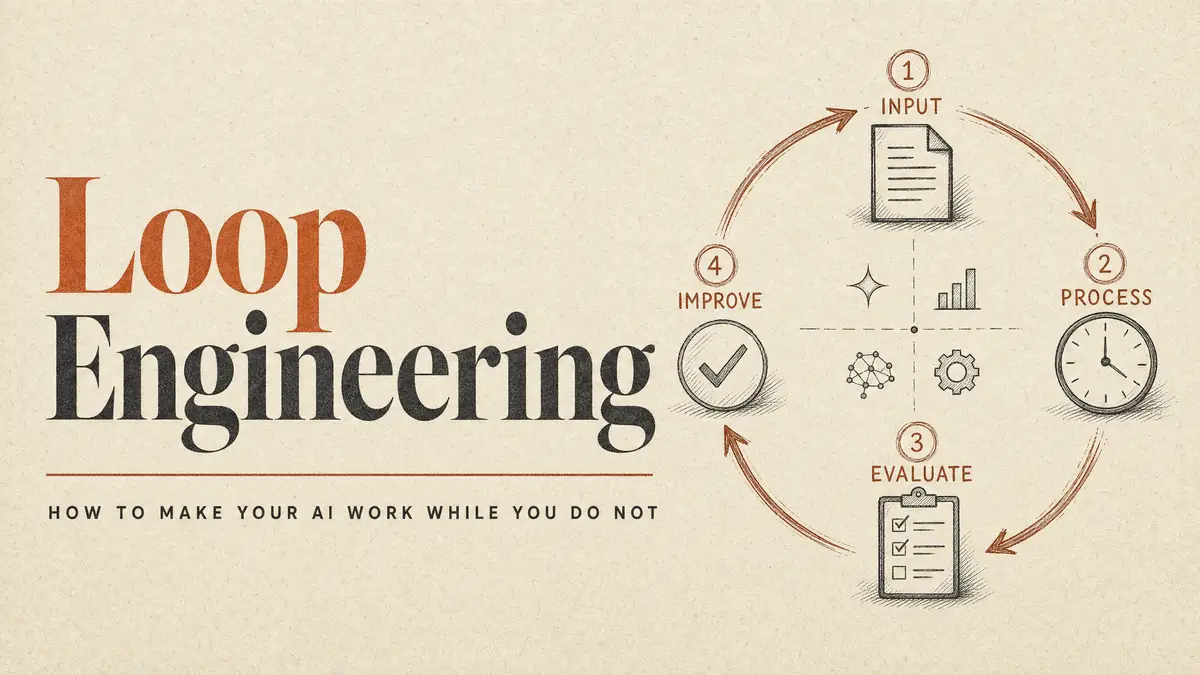
Businesses
By Rob Arnold, Founder and CEO, Ascendea There is a particular kind of tiredness that comes from being the person who has to remember everything. Not the work itself. The remembering. Chasing the quote that went out eleven days ago.

By Rob Arnold, Founder and CEO, Ascendea There is a particular kind of tiredness that comes from being the person who has to remember everything. Not the work itself. The remembering. Chasing the quote that went out eleven days ago.
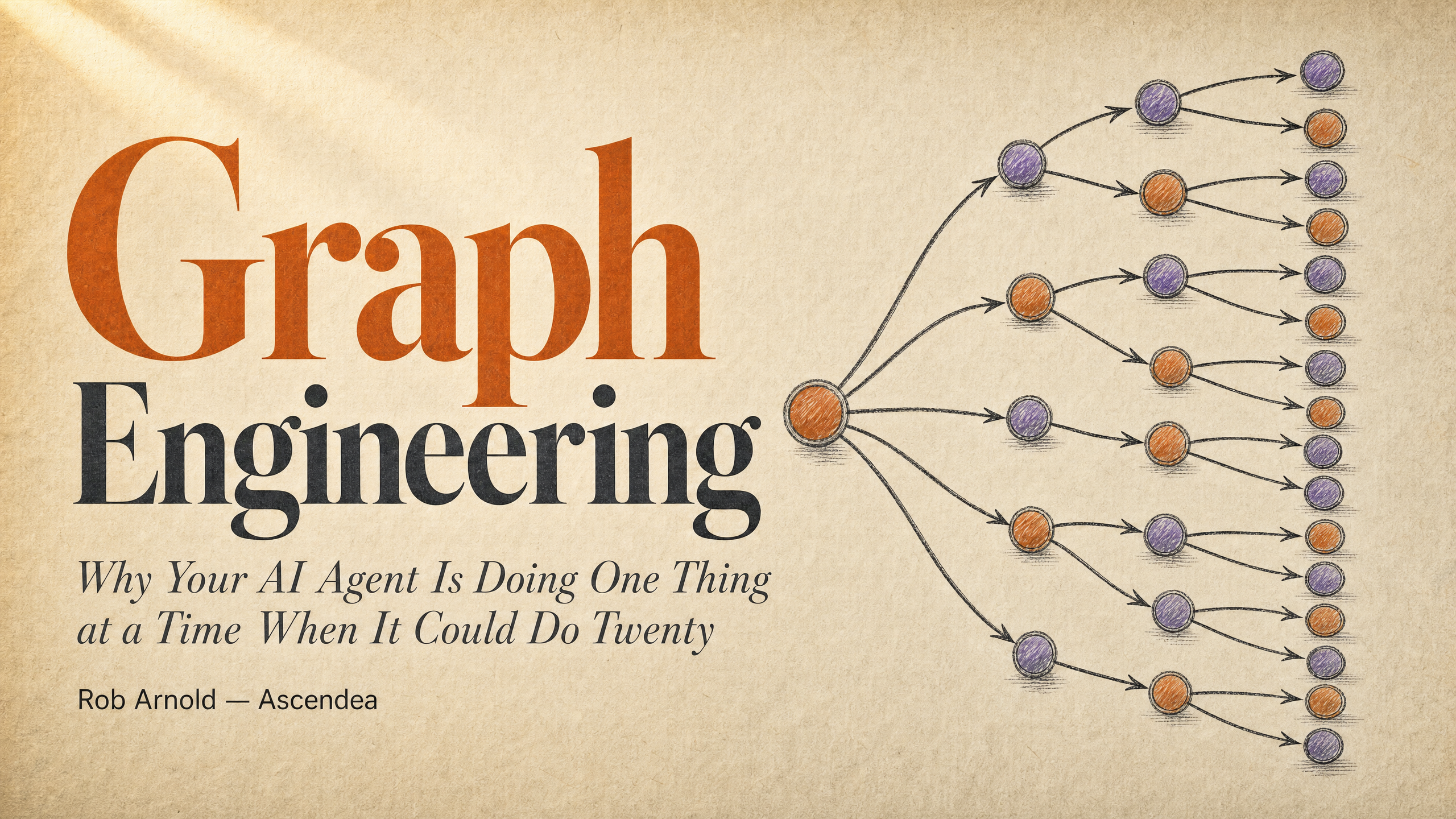
By Rob Arnold, Founder and CEO, Ascendea Most people who build a multi-step AI agent end up with a straight line. Step one, step two, step three. Each one waiting for the last to finish before it starts. Here is

By Rob Arnold, Founder & CEO, Ascendea Your AI can learn something today and completely forget it tomorrow. Picture this. An AI agent spends forty minutes fixing a difficult problem. It finds the cause, corrects the mistake, runs the tests,
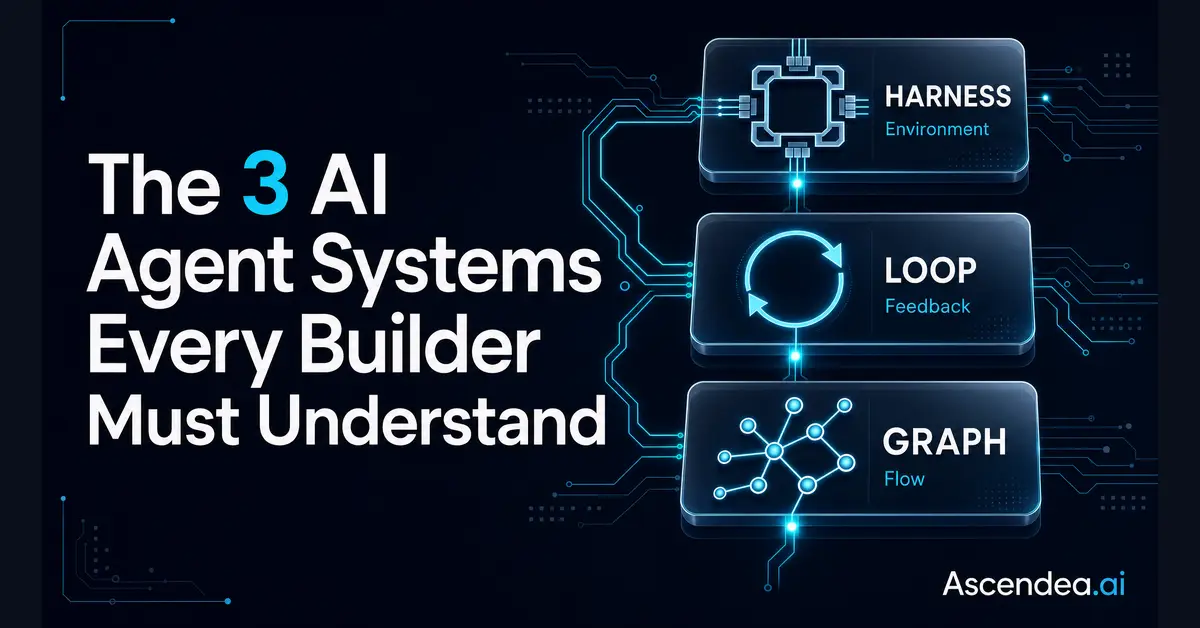
The 3 AI Agent Systems Every Builder Must Understand By Rob Arnold, CTO, Ascendea AI The model is rarely the first thing to blame when an AI agent fails. Most failures start in the system around it: missing data, vague
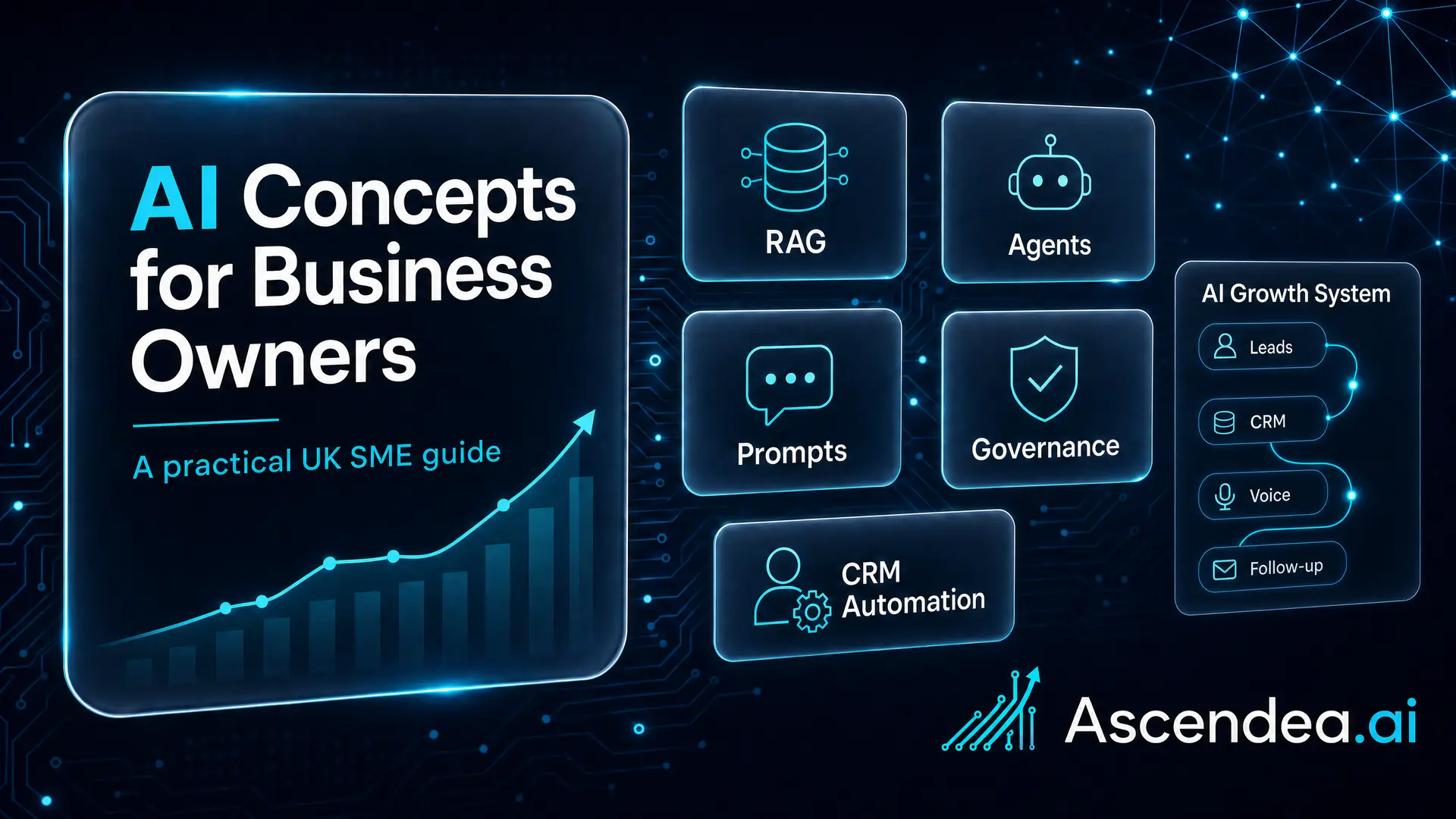
Learn the practical AI concepts UK SME owners need to use prompts, RAG, agents, automation and governance to drive measurable growth with Ascendea systems.

If you run an agency, a small-to-medium enterprise (SME), or lead a senior management team, you have likely noticed a shift in the AI landscape over the last few months. We have moved past the era of conversational chatbots. The
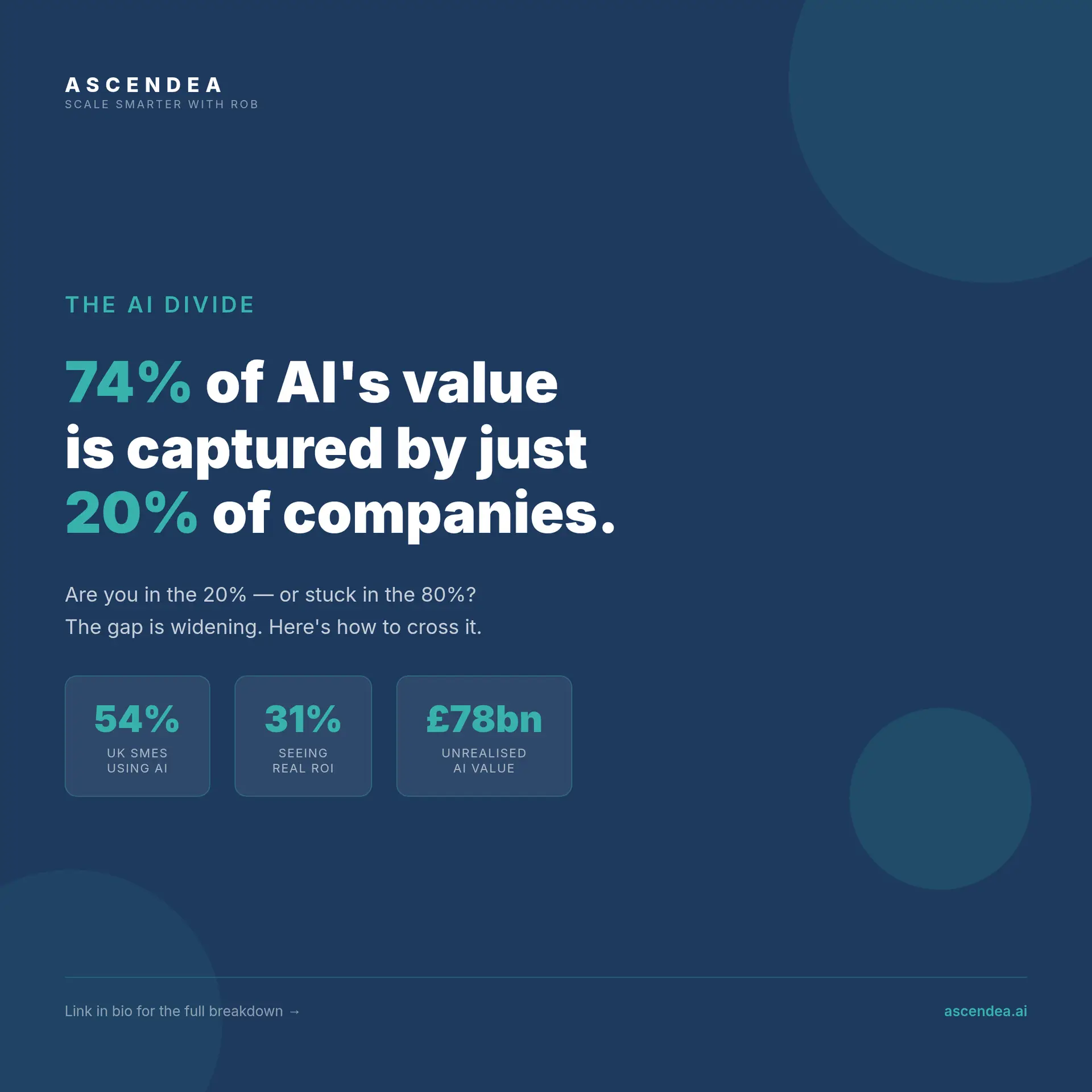
If you’ve been following the news lately, you might have noticed a shift in the AI conversation. The hype is settling, and the hard numbers are rolling in. And frankly, the numbers are a wake-up call for every UK SME.
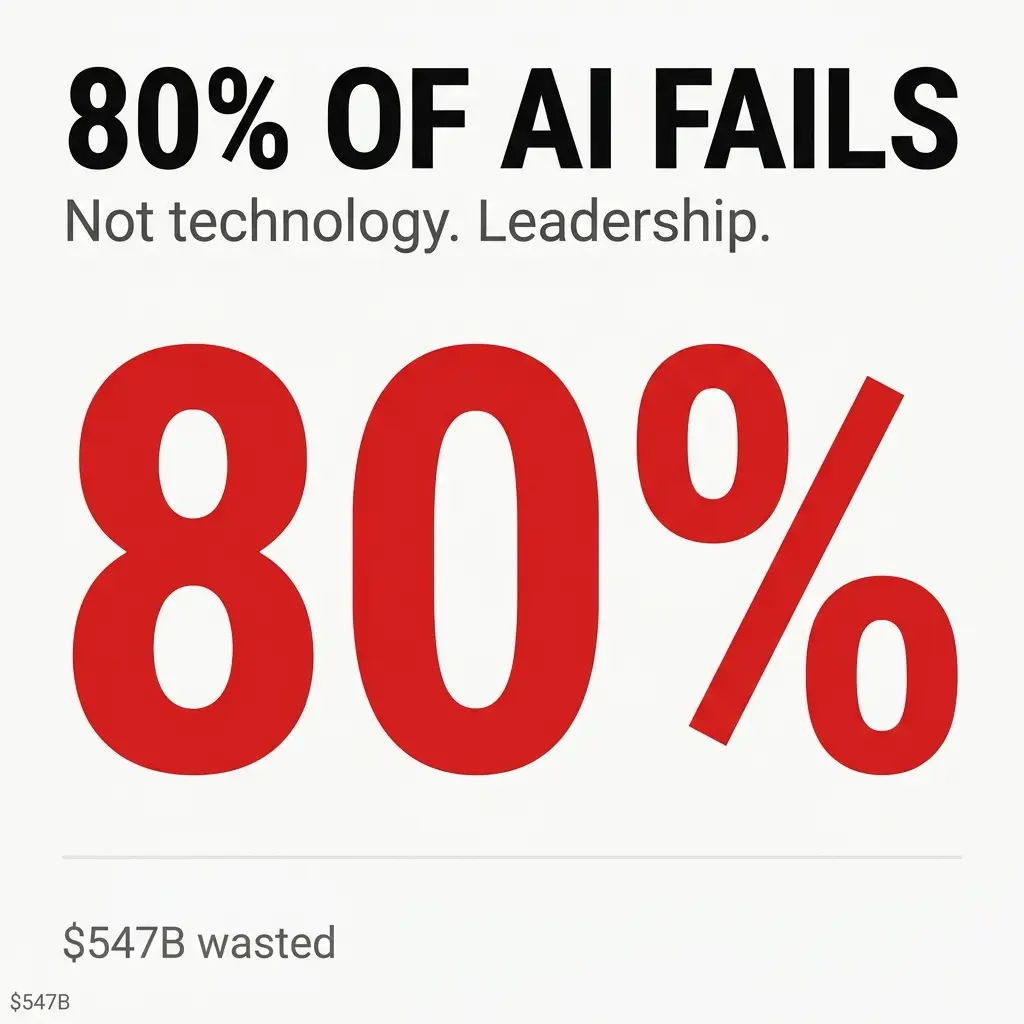
80% of AI initiatives fail to deliver value. Discover the leadership and process mistakes killing your AI pilots — and the exact framework successful companies use to get it right.
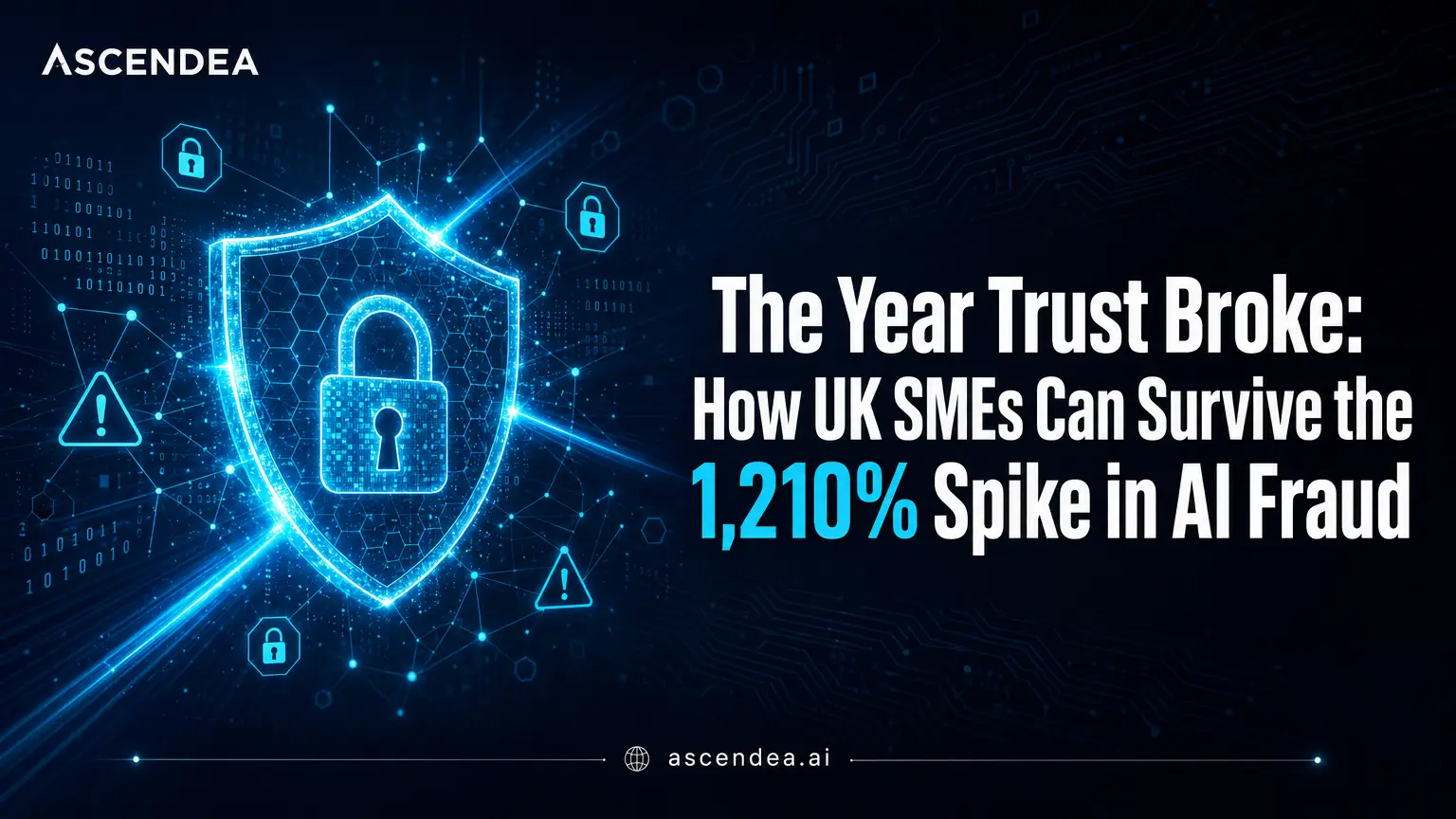
Have you ever sat on a video call with a supplier, agreed to an urgent invoice change, and thought nothing of it? What if the person on the screen wasn’t real? It sounds like a plot from a sci-fi thriller,

In the fast-paced world of small business, every lead is a golden opportunity. But with limited time and resources, keeping up with the constant flow of inquiries is a genuine challenge. For years, businesses have relied on a combination of