AI-Powered Customer Support Solutions
In the rapidly evolving landscape of customer service, AI agents are revolutionizing how businesses interact with their customers. These intelligent systems, including chatbots and virtual assistants, automate routine inquiries and enhance operational efficiency. This article will explore the mechanisms behind AI agents, their impact on customer service, and the benefits of integrating them with marketing automation and CRM systems. Many businesses struggle with high operational costs and customer dissatisfaction due to slow response times. AI agents provide a solution by streamlining customer interactions and reducing manual workloads. We will delve into the definition of AI agents, their efficiency improvements, integration benefits, successful case studies, future trends, and effective implementation strategies.
Indeed, the transformative power of AI-powered virtual agents in revolutionizing customer interaction and service automation, particularly within CRM systems, is a key area of study.
AI Virtual Agents: Revolutionizing CRM & Service Automation
This article examines the transformative impact of AI-powered virtual agents on Customer Relationship Management systems. It explores how these sophisticated software entities are fundamentally redefining customer interactions and service automation across industries. It traces the evolution of CRM systems through four distinct generations, culminating in today’s AI-driven solutions that leverage natural language processing, machine learning, and sentiment analysis to deliver personalized customer experiences.
AI-Powered Virtual Agents in CRM: Revolutionizing Customer Interaction and Service Automation, GRS Chowhan, 2025
What Are AI Agents and How Do They Automate Customer Service?
AI agents are software applications that utilize artificial intelligence to perform tasks typically requiring human intelligence. They automate customer service processes by handling inquiries, providing information, and resolving issues without human intervention. This automation is achieved through advanced technologies such as natural language processing (NLP) and machine learning, which enable AI agents to understand and respond to customer queries effectively. The primary benefit of AI agents is their ability to operate 24/7, providing immediate assistance to customers and significantly enhancing the overall customer experience.
Defining AI Agents, Chatbots, and Virtual Customer Assistants
AI agents encompass a range of technologies, including chatbots and virtual customer assistants. Chatbots are designed to engage in text-based conversations, while virtual assistants can handle more complex interactions, often incorporating voice recognition. Both types of AI agents leverage machine learning algorithms to improve their responses over time, learning from past interactions to provide more accurate and relevant answers. This distinction is crucial for businesses looking to implement the right technology for their customer service needs.
How Do AI Chatbots Improve Operational Efficiency in Customer Support?
AI chatbots enhance operational efficiency by automating repetitive tasks and allowing human agents to focus on more complex issues. By handling common inquiries such as order status, account information, and FAQs, chatbots reduce the volume of requests that require human intervention. This not only speeds up response times but also lowers operational costs associated with customer service. Furthermore, AI chatbots can analyze customer interactions to identify trends and areas for improvement, leading to better service delivery.
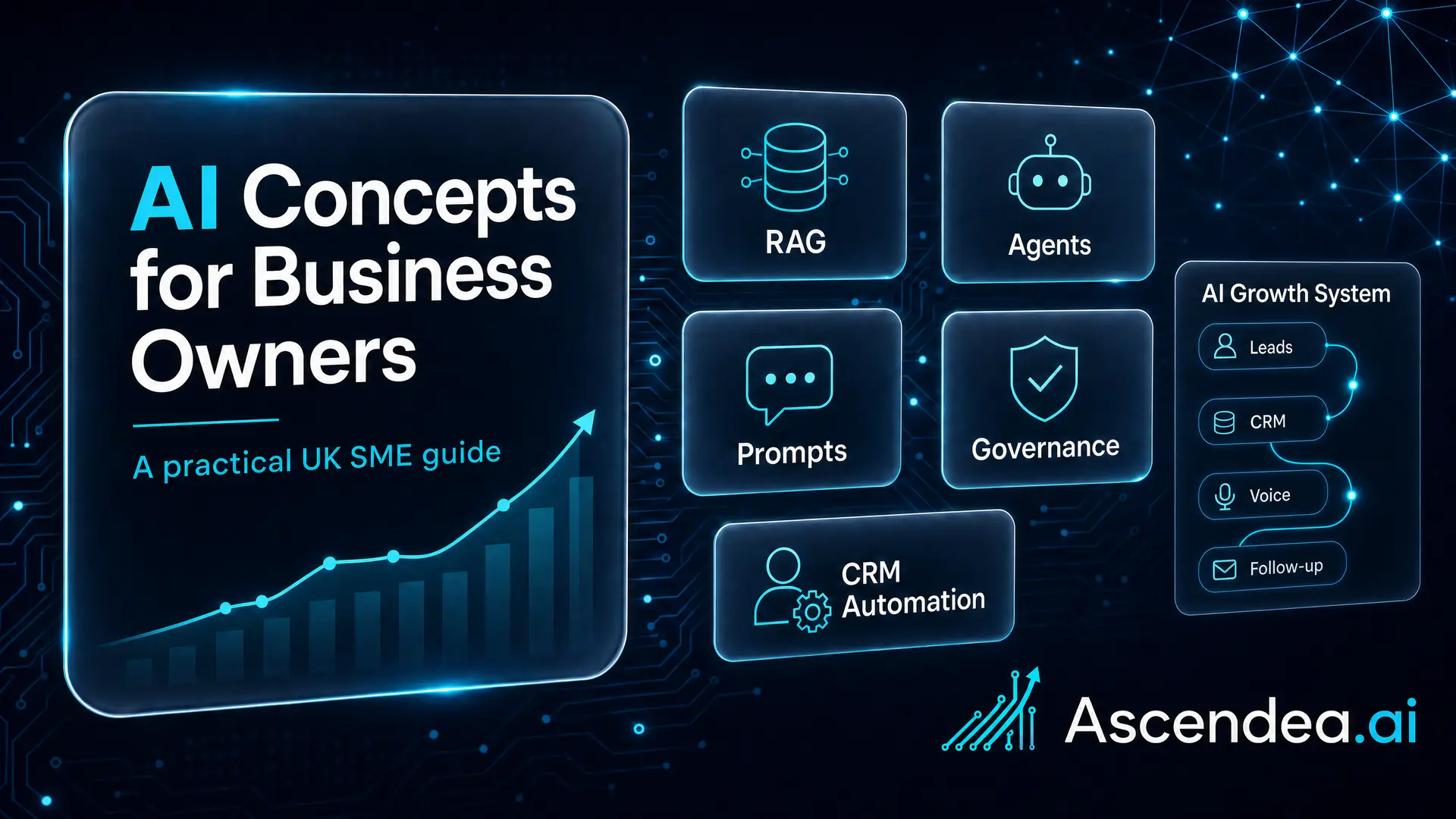
For businesses looking to enhance their customer service capabilities, Ascendea.ai offers an AI-driven customer service automation platform that integrates chatbot technology and machine learning. This platform streamlines customer interactions and reduces manual workload, making it an ideal solution for organizations aiming to improve efficiency.
Reducing Manual Workload with AI-Driven Customer Engagement
AI chatbots significantly reduce the manual workload for customer service teams by automating responses to frequently asked questions and routine inquiries. For instance, a chatbot can handle thousands of customer interactions simultaneously, providing instant answers and freeing up human agents to tackle more complex issues. This automation leads to faster resolution times and improved customer satisfaction, as customers receive immediate assistance without waiting for a human representative.
Measuring Efficiency Gains and Customer Satisfaction Improvements
To evaluate the effectiveness of AI chatbots, businesses can track key performance indicators (KPIs) such as response time, resolution rate, and customer satisfaction scores. Studies have shown that organizations implementing AI chatbots experience a notable increase in customer satisfaction, with many reporting a reduction in response times by up to 70%. By continuously monitoring these metrics, businesses can refine their chatbot strategies and ensure they meet customer expectations effectively.
Further research emphasizes the critical balance between enhancing operational efficiency and maintaining high customer satisfaction when deploying AI chatbots.
AI Chatbots: Balancing Efficiency & Customer Satisfaction
This paper explores the dual impact of AI chatbots on customer service—enhancing operational efficiency while maintaining customer satisfaction.
The rise of AI chatbots: Balancing customer satisfaction and operational efficiency, 2025
What Are the Benefits of Integrating AI Agents with Marketing Automation and CRM Systems?
Integrating AI agents with marketing automation and CRM systems offers several advantages, including enhanced customer interaction, improved data analytics, and streamlined processes. This integration allows businesses to leverage customer data to personalize interactions and deliver targeted marketing messages, ultimately driving higher engagement and conversion rates.
Further research delves into how AI-powered virtual agents are fundamentally redefining customer interactions and service automation within CRM systems.
AI Virtual Agents: Revolutionizing CRM & Customer Service Automation
This article examines the transformative impact of AI-powered virtual agents on Customer Relationship Management systems. It explores how these sophisticated software entities are fundamentally redefining customer interactions and service automation across industries. It details how virtual agents enhance omnichannel engagement, enable intelligent self-service, and deliver proactive assistance that anticipates customer needs. Beyond basic task automation, these systems manage complex processes, optimize service delivery through intelligent routing, and contribute to organizational learning through operational intelligence.
AI-Powered Virtual Agents in CRM: Revolutionizing Customer Interaction and Service Automation, GRS Chowhan, 2025
Seamless Chatbot Integration for Enhanced Customer Interaction
AI agents can be seamlessly integrated into existing marketing automation platforms, enabling businesses to provide a more cohesive customer experience. For example, a chatbot can collect customer information during interactions and automatically update CRM systems, ensuring that all customer data is current and accessible. This integration not only enhances the customer experience but also empowers businesses to make data-driven decisions based on real-time insights.
Studies confirm that integrating AI with CRM systems significantly accelerates service, with chatbots effectively managing a large percentage of routine customer inquiries.
AI-Powered CRM: Automating Customer Service & Boosting Efficiency
The results demonstrate that AI integration significantly accelerated service, with chatbots handling 65–70% of routine queries and drastically reducing response times. Operationally, these improvements fostered high employee acceptance (TAM).
Customer Service Automation Through Ai-Powered CRM: Impact On Marketing Target Accuracy, WR Windarsari, 2025
Leveraging Customer Interaction Analytics for Smarter Engagement
By analyzing customer interactions, businesses can gain valuable insights into customer preferences and behaviors. AI agents can track engagement metrics, such as response rates and customer feedback, allowing companies to refine their marketing strategies. This data-driven approach enables businesses to tailor their messaging and improve overall customer engagement, leading to increased loyalty and retention.
Which Case Studies Demonstrate Success with AI Customer Service Automation?
Numerous organizations have successfully implemented AI customer service automation, showcasing the effectiveness of AI agents in enhancing operational efficiency. These case studies provide valuable insights into the practical applications of AI technology in customer service.
Specific studies highlight the practical applications of AI in CRM, including detailed case studies of intelligent virtual agents.
AI in CRM: Case Studies of Virtual Agent Automation
The study reviews AI and CRM, the applications of AI in CRM including customer support automation, automated online assistant and online and telephone customer service. Finally, the study examines the applications of AI in CRM via two case studies of Intelligent Virtual Agents (IVAs) and Pegasystems.
Applying artificial intelligence in CRM: Case studies of intelligent virtual agents and pegasystems, 2012
Real-World Examples of AI Agents Driving Operational Efficiency
One notable example is a leading e-commerce platform that integrated AI chatbots into its customer service operations. By automating responses to common inquiries, the company reduced its customer service response time by 70%, resulting in a significant increase in customer satisfaction. Another case involves a telecommunications provider that utilized AI agents to handle billing inquiries, leading to a 50% reduction in call center volume and improved agent productivity.
Quantified Results: Cost Reduction and Satisfaction Metrics
The implementation of AI customer service automation has led to measurable cost reductions for many organizations. For instance, a financial services company reported a 25-30% decrease in operational costs after deploying AI chatbots to manage customer inquiries. Additionally, customer satisfaction scores improved by approximately 20-25%, demonstrating the positive impact of AI agents on both efficiency and customer experience.
What Are the Future Trends in AI-Powered Customer Support Automation?
As technology continues to evolve, several trends are emerging in the realm of AI-powered customer support automation. These trends indicate a shift towards more sophisticated AI capabilities and a greater emphasis on personalized customer experiences.
Emerging AI Capabilities and Conversational AI Advances
The future of AI customer support will likely see advancements in conversational AI, enabling agents to engage in more natural and human-like interactions. This includes improvements in natural language understanding and sentiment analysis, allowing AI agents to better interpret customer emotions and respond accordingly. As these technologies develop, businesses will be able to provide even more personalized and effective customer support.
While AI systems are advancing rapidly, a hybrid human-machine collaboration model is often proposed to address complex and emotive customer requests that still require human judgment.
AI Customer Service Automation: Hybrid Human-Machine Models
The systems of AI customer service have advanced very far in the field of Conversational AI, Natural Language Processing (NLP) and Intelligent Virtual Assistance, but complete systems still cannot handle complex, ambiguous or emotive customer requests. The article proposes a Hybrid Human-Machine Collaboration Model (HHMCM) of the real-time service delivery depending on the speed and adaptability of the AI-driven automation with the degree of judgment, empathy, and awareness of situations in human agents.
AI-Driven Customer Support Automation: A Hybrid Human–Machine Collaboration Model for Real-Time Service Delivery, VR Gopinathan, 2024
Preparing Businesses for AI-Driven Customer Service Evolution
To stay competitive in the evolving landscape of customer service, businesses must prepare for the integration of AI technologies. This involves investing in training for customer service teams, ensuring they are equipped to work alongside AI agents effectively. Additionally, organizations should continuously evaluate their AI strategies to adapt to changing customer expectations and technological advancements.
How Can Businesses Implement and Monitor AI Customer Service Automation Effectively?
Implementing AI customer service automation requires a strategic approach to ensure successful deployment and ongoing management. Businesses must consider various factors, including technology selection, team training, and performance monitoring.
Step-by-Step Guide to Deploying AI Agents and Chatbots
- Define Objectives: Clearly outline the goals for implementing AI agents, such as reducing response times or improving customer satisfaction.
- Select Technology: Choose an AI platform that aligns with your business needs and integrates seamlessly with existing systems.
- Train Teams: Provide training for customer service teams to ensure they understand how to work with AI agents effectively.
- Launch and Monitor: Deploy the AI agents and continuously monitor their performance using key metrics to assess effectiveness and make necessary adjustments.
Key Performance Indicators and Tools for Monitoring Success
To measure the success of AI customer service automation, businesses should track KPIs suchs as customer satisfaction scores, response times, and resolution rates. Tools like customer feedback surveys and analytics dashboards can provide valuable insights into the performance of AI agents. By regularly reviewing these metrics, organizations can identify areas for improvement and optimize their AI strategies for better results.
| Integration Type | Benefit | Impact Level |
|---|---|---|
| Chatbot Integration | Enhanced customer interaction | High |
| CRM Integration | Improved data analytics | Medium |
| Marketing Automation | Streamlined processes | High |
This table illustrates the various integration types and their corresponding benefits, highlighting the significant impact AI agents can have on customer service operations.
In conclusion, AI agents are transforming customer service by automating routine tasks and enhancing operational efficiency. By integrating these technologies with marketing automation and CRM systems, businesses can improve customer interactions and drive better outcomes. As AI capabilities continue to advance, organizations must adapt to stay ahead in the competitive landscape of customer support.