Essential AI Marketing Terms
In the rapidly evolving landscape of digital marketing, understanding the terminology associated with artificial intelligence (AI) is crucial for marketers. This comprehensive glossary aims to clarify key AI marketing terms and their definitions, providing marketers with the knowledge they need to leverage AI effectively. As AI continues to reshape marketing strategies, familiarizing oneself with these concepts can enhance decision-making and campaign effectiveness. This article will cover foundational AI concepts, the transformative role of generative AI in content creation, the automation tools driving efficiency, the impact of AI on search engine optimization, and essential data and ethical considerations in AI marketing.
What Are the Foundational AI Concepts Every Marketer Should Know?
Understanding foundational AI concepts is essential for marketers looking to integrate AI into their strategies. These concepts provide the groundwork for how AI can enhance marketing efforts and improve customer engagement.
What Is Artificial Intelligence and Its Role in Marketing?
Artificial Intelligence (AI) refers to the simulation of human intelligence in machines programmed to think and learn. In marketing, AI plays a pivotal role by enabling data analysis, automating tasks, and personalizing customer experiences. By leveraging AI, marketers can analyze vast amounts of data to identify trends, predict customer behavior, and optimize campaigns. This capability enhances decision-making and allows for more targeted marketing strategies, ultimately leading to improved customer satisfaction and increased sales.
How Do Machine Learning and Deep Learning Enhance Marketing Strategies?
Machine Learning (ML) and Deep Learning (DL) are subsets of AI that significantly enhance marketing strategies. ML involves algorithms that enable computers to learn from data and improve their performance over time without explicit programming. DL, a more advanced form of ML, uses neural networks to analyze complex data patterns. Together, these technologies allow marketers to create predictive models that can forecast customer behavior, segment audiences more effectively, and personalize marketing messages. For instance, ML algorithms can analyze customer purchase history to recommend products, thereby increasing conversion rates.
How Does Generative AI Transform Content Creation and Marketing?
Generative AI is revolutionizing content creation by enabling marketers to produce high-quality content efficiently. This technology leverages algorithms to generate text, images, and other media, streamlining the content development process.
What Is Generative AI and Large Language Models?
Generative AI refers to algorithms that can create new content based on existing data. Large Language Models (LLMs), such as GPT-4, are a type of generative AI that can understand and generate human-like text. These models analyze vast datasets to learn language patterns, enabling them to produce coherent and contextually relevant content. Marketers can utilize LLMs to automate content generation, create personalized marketing messages, and enhance customer interactions through chatbots and virtual assistants.
How Does Prompt Engineering Improve AI-Driven Marketing Content?
Prompt engineering is the process of designing effective prompts to guide generative AI in producing desired outputs. By crafting specific and clear prompts, marketers can enhance the quality and relevance of AI-generated content. For example, a well-structured prompt can lead to more engaging social media posts or informative blog articles. This technique not only improves content quality but also saves time and resources, allowing marketers to focus on strategy and execution.
However, marketers must remain vigilant, as even well-engineered prompts cannot always prevent generative AI from producing inaccurate or biased content.
Generative AI in Marketing: Content Accuracy & Strategic Decisions
Generative AI tools sometimes confabulate – ie, produce inaccurate, biased or contextually inappropriate content when such AI-generated content informs strategic marketing decisions.
Beyond prompt engineering: Skills marketers need to deploy generative AI successfully, OA Acar, 2024
Which AI Marketing Automation Tools Drive Growth and Efficiency?
AI marketing automation tools are essential for streamlining marketing processes and enhancing efficiency. These tools leverage AI to automate repetitive tasks, analyze data, and optimize campaigns.
What Is AI Marketing Automation and Its Key Components?
AI marketing automation refers to the use of AI technologies to automate marketing tasks and processes. Key components include customer relationship management (CRM) systems, email marketing automation, and social media management tools. These systems enable marketers to segment audiences, personalize communications, and track campaign performance in real-time. By automating these processes, marketers can save time, reduce human error, and improve overall campaign effectiveness.
How Do Predictive Analytics and Hyper-Personalization Optimize Campaigns?
Predictive analytics involves using historical data and AI algorithms to forecast future outcomes, while hyper-personalization tailors marketing messages to individual customer preferences. Together, these strategies optimize marketing campaigns by ensuring that the right message reaches the right audience at the right time. For instance, predictive analytics can identify which customers are most likely to convert, allowing marketers to focus their efforts on high-potential leads. Hyper-personalization enhances customer engagement by delivering tailored content that resonates with individual preferences, leading to higher conversion rates.
While hyper-personalization offers significant benefits in customer engagement and conversion, it also necessitates careful consideration of data privacy and ethical data use.
AI Hyper-Personalization: Predictive Models, Ethics & Data Privacy
In this research, the impact of AI in improving the extent of hyperpersonalization in digital marketing is explored by comparing and contrasting the outcomes of the various predictive models with consumers’ behavior. Studies show that organizations that have adopted hyper-personalization through AI reap significant benefits in terms of customer interaction, satisfaction, retention, and higher conversion rates arising from segmented marketing. However, data privacy issues and issues related to the ethical use of the data are also pointed out, which have to do with data responsibility.
Harnessing artificial intelligence for hyper-personalization in digital marketing: A comparative analysis of predictive models and consumer behavior, D Sipos, 2024
| Tool | Feature | Application |
|---|---|---|
| CRM Systems | Customer data management | Streamlining customer interactions |
| Email Automation | Personalized email campaigns | Enhancing customer engagement |
| Social Media Tools | Automated posting and analytics | Optimizing social media presence |
This table illustrates how various AI marketing automation tools contribute to improved efficiency and effectiveness in marketing campaigns.
How Is AI Revolutionizing Search Engine Optimization?
AI is transforming search engine optimization (SEO) by enhancing how search engines understand and rank content. This evolution requires marketers to adapt their strategies to stay competitive.
What Are AI SEO, Generative SEO, and Answer Engine Optimization?
AI SEO refers to the use of AI technologies to optimize content for search engines. Generative SEO involves creating content that aligns with AI algorithms, while Answer Engine Optimization focuses on providing direct answers to user queries. These approaches ensure that content is not only relevant but also easily discoverable by search engines. By leveraging AI, marketers can enhance their SEO strategies, improve search rankings, and drive organic traffic to their websites.
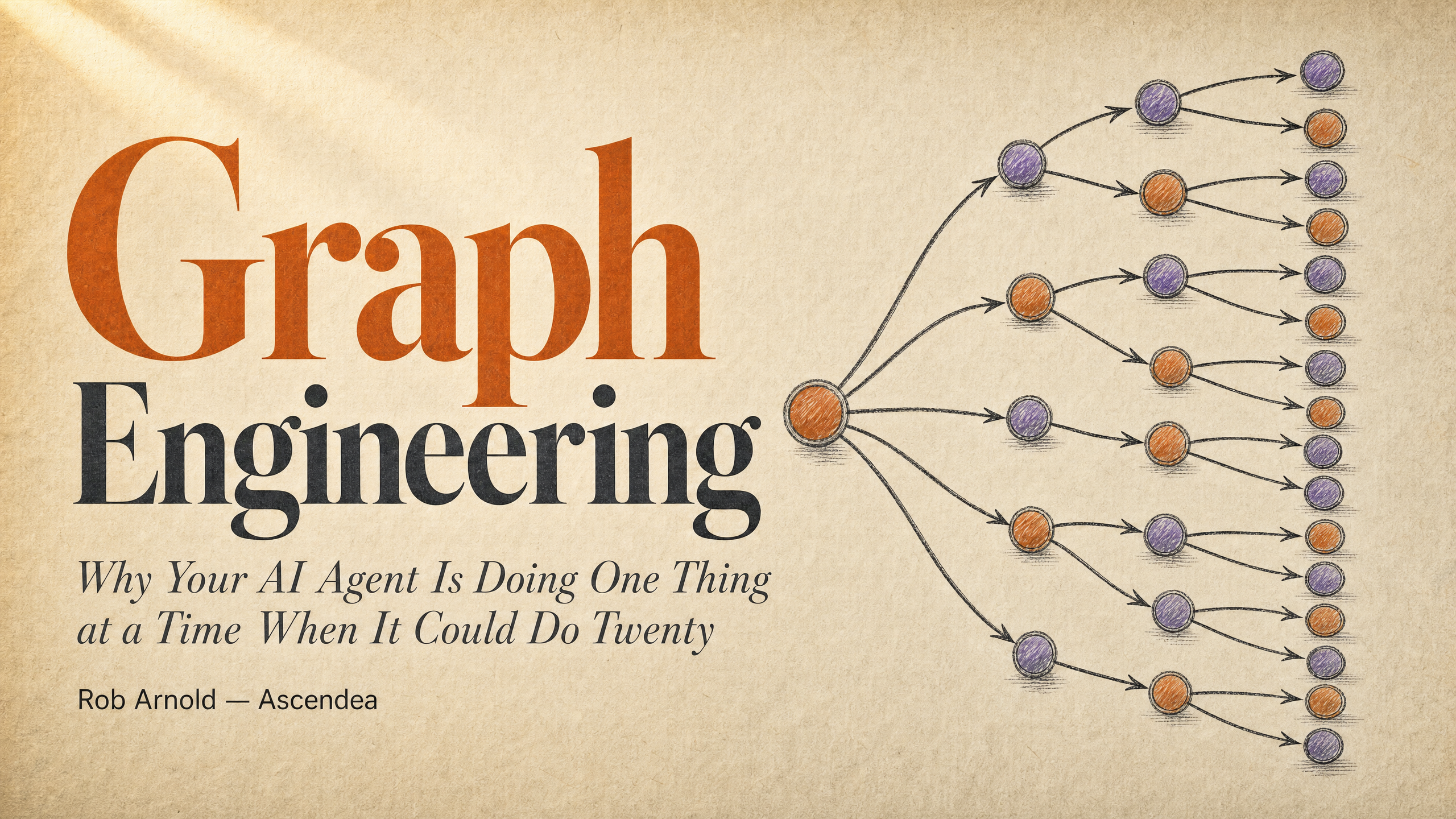
How Do Knowledge Graphs and Entity SEO Enhance Search Visibility?
Knowledge graphs and entity SEO are critical components of modern SEO strategies. Knowledge graphs organize information about entities and their relationships, allowing search engines to deliver more relevant results. Entity SEO focuses on optimizing content around specific entities, improving search visibility. By incorporating these strategies, marketers can enhance their content’s relevance and authority, leading to better search engine rankings and increased visibility.
Indeed, a knowledge graph serves as a fundamental data model for representing real-world entities and their interconnections, crucial for semantic SEO.
Knowledge Graphs & Semantic SEO for Marketing Visibility
a knowledge graph is defined as a data model for representing and understanding information as real-world entities and the relationships between those entities.
Wikidata and knowledge graphs in practice: Using semantic SEO to create discoverable, accessible, machine-readable definitions of the people, places, and services …, JA Clark, 2022
| SEO Strategy | Description | Impact |
|---|---|---|
| AI SEO | Optimization using AI algorithms | Improved search rankings |
| Generative SEO | Content creation aligned with AI | Enhanced relevance |
| Entity SEO | Focus on specific entities | Increased visibility |
This table highlights the various SEO strategies that leverage AI to improve search visibility and effectiveness.
What Are the Essential Data, Ethics, and Implementation Terms in AI Marketing?
As AI becomes more integrated into marketing, understanding the associated data, ethical considerations, and implementation challenges is crucial for responsible use.
What Is Structured Data and Its Importance in AI Marketing?
Structured data refers to organized information that can be easily analyzed by machines. In AI marketing, structured data enhances the ability of algorithms to process and interpret information, leading to more accurate insights and predictions. By implementing structured data, marketers can improve their targeting and personalization efforts, ultimately driving better results.
How Do AI Bias and Responsible AI Impact Marketing Practices?
AI bias occurs when algorithms produce unfair or discriminatory outcomes due to biased training data. Responsible AI practices involve ensuring that AI systems are designed and implemented ethically, minimizing bias and promoting fairness. Marketers must be aware of these issues to maintain trust with their audiences and ensure that their AI-driven strategies are effective and equitable.
| Term | Definition | Importance |
|---|---|---|
| Structured Data | Organized information for analysis | Enhances AI insights |
| AI Bias | Discriminatory outcomes from algorithms | Affects fairness in marketing |
| Responsible AI | Ethical AI design and implementation | Builds trust with consumers |
This table summarizes essential terms related to data and ethics in AI marketing, emphasizing their significance in responsible marketing practices.