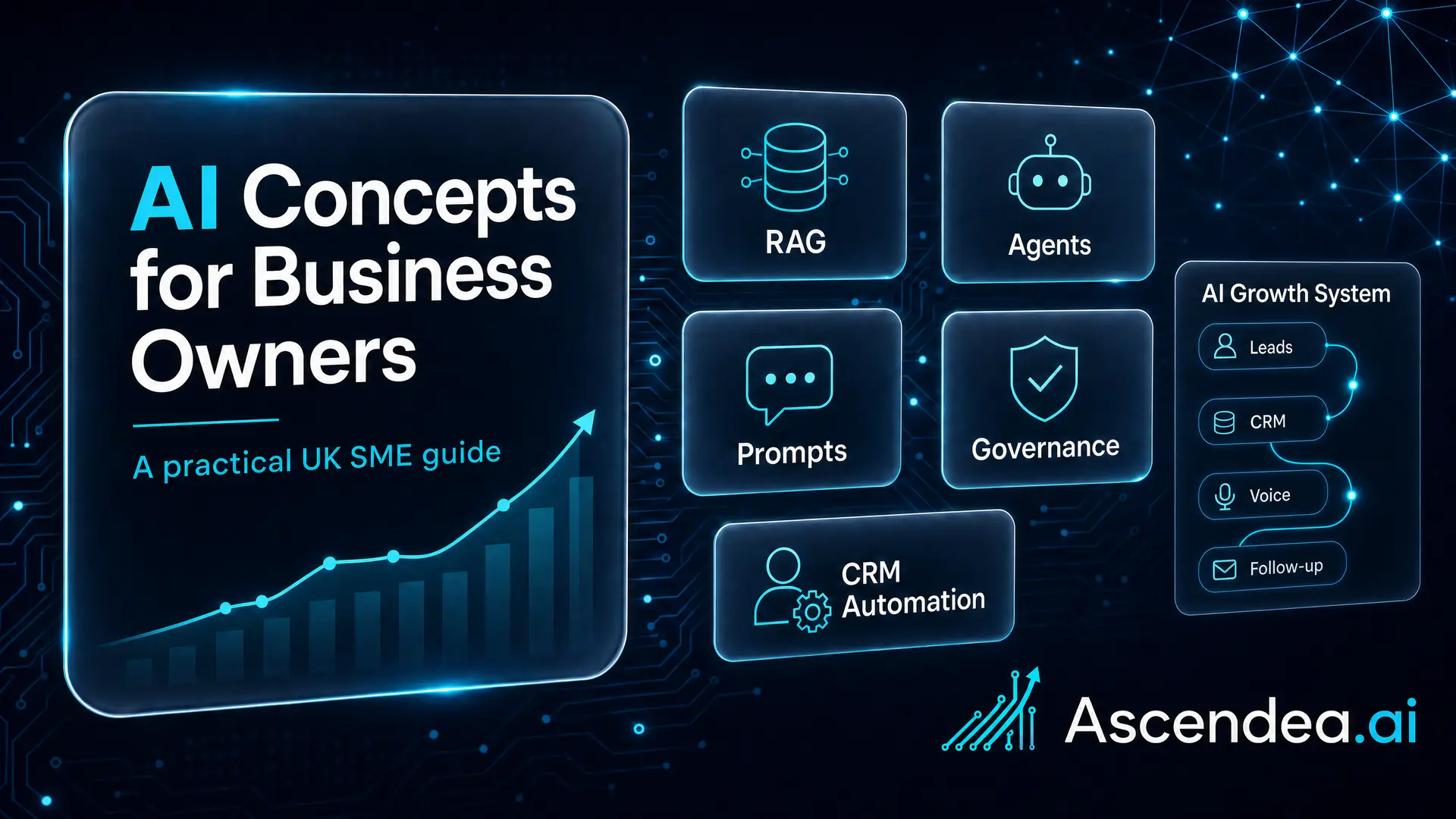
AI for Small Businesses: A Practical Starter Guide to AI Tools and Adoption
Artificial Intelligence (AI) is transforming the landscape for small businesses, offering innovative solutions that enhance efficiency and competitiveness. This guide aims to provide a comprehensive overview of AI tools and their adoption, specifically tailored for small enterprises. Readers will learn about the key benefits of AI, essential tools for success, and practical steps for effective implementation. Many small businesses struggle with limited resources and outdated processes, but AI presents a viable solution to streamline operations and improve customer engagement. This article will explore the urgency of AI adoption, essential tools, implementation strategies, and the challenges small businesses may face along the way.
Why Should Small Businesses Adopt AI Today?
AI adoption is crucial for small businesses looking to thrive in a competitive market. The integration of AI technologies can lead to significant improvements in productivity, cost savings, and overall business performance. By leveraging AI, small businesses can automate repetitive tasks, allowing employees to focus on more strategic initiatives. This shift not only enhances operational efficiency but also fosters innovation and growth.
What Are the Key Benefits of AI for Small Companies?
Small businesses can reap numerous benefits from AI adoption, including:
- Efficiency Improvements: AI tools can automate mundane tasks, reducing the time spent on manual processes.
- Enhanced Customer Experience: AI-driven insights enable businesses to tailor their services to meet customer needs more effectively.
- Cost Savings: By optimizing operations, AI can help reduce overhead costs and improve profit margins.
These advantages illustrate why small businesses should consider AI as a vital component of their growth strategy.
How Does AI Provide a Competitive Advantage for SMEs?
AI offers small and medium-sized enterprises (SMEs) a unique competitive edge by enabling them to leverage data-driven insights for better decision-making. For instance, businesses can analyze customer behavior patterns to refine their marketing strategies, positioning themselves more effectively in the market. Case studies show that companies utilizing AI tools have outperformed their competitors by innovating faster and responding to market changes more adeptly. This capability is essential for SMEs aiming to establish a strong market presence.
Which AI Tools Are Essential for Small Business Success?

Identifying the right AI tools is critical for small businesses aiming to harness the power of AI effectively. Various solutions cater to different aspects of business operations, from marketing to customer service.
How Can AI Marketing Tools Boost Your Small Business Reach?
AI marketing tools can significantly enhance a small business’s reach by enabling targeted advertising and personalized marketing campaigns. These tools analyze customer data to identify trends and preferences, allowing businesses to create tailored content that resonates with their audience. For example, AI-driven platforms can optimize ad placements across multiple channels, ensuring that marketing efforts yield the highest return on investment.
What AI Solutions Automate Customer Service and Support?
AI solutions, such as chatbots and virtual assistants, are revolutionizing customer service by providing 24/7 support and improving response times. These tools can handle common inquiries, freeing up human agents to focus on more complex issues. By implementing AI customer service solutions, small businesses can enhance customer satisfaction and loyalty, ultimately driving repeat business.
| AI Tool | Functionality | Benefits |
|---|---|---|
| AI Ads Manager | Automates ad campaigns | Increases efficiency and ROI |
| Chatbots | Provides customer support | Enhances customer experience |
| Data Analytics Tools | Analyzes customer data | Improves marketing strategies |
This table highlights essential AI tools that can streamline operations and enhance customer engagement for small businesses.
How Can Small Businesses Implement AI Effectively?

Implementing AI in a small business requires careful planning and execution. Understanding the specific needs of the business is the first step towards successful AI adoption.
What Are the Practical Steps to Start AI Adoption in Your Business?
To begin the AI adoption process, small businesses should:
- Identify Goals: Determine what specific problems AI can solve within the organization.
- Research Tools: Explore various AI solutions that align with business objectives.
- Pilot Programs: Start with small-scale implementations to test the effectiveness of chosen tools.
These steps provide a structured approach to integrating AI into business operations.
How to Choose the Right AI Tools for Your Small Business Needs?
Selecting the appropriate AI tools involves evaluating features, pricing, and compatibility with existing systems. Small businesses should consider:
- Scalability: Ensure the tool can grow with the business.
- User-Friendliness: Choose tools that are easy to implement and use.
- Support and Training: Look for vendors that offer robust support and training resources.
By focusing on these criteria, small businesses can make informed decisions that enhance their operational capabilities.
What Challenges Do Small Businesses Face with AI Adoption and How to Overcome Them?
Despite the benefits, small businesses often encounter challenges when adopting AI technologies. Understanding these obstacles is crucial for successful implementation.
How to Address Lack of Understanding and In-House Resources?
Many small businesses struggle with a lack of understanding of AI technologies and their applications. To overcome this, businesses can invest in training programs that educate employees about AI tools and their benefits. Additionally, partnering with AI consultants can provide the necessary expertise to guide implementation efforts.
What Are the Ethical and Data Privacy Considerations for SMEs Using AI?
As small businesses adopt AI, they must also consider ethical implications and data privacy regulations. Ensuring compliance with data protection laws such as GDPR (in Europe) or CCPA (in California) is essential to maintain customer trust. Businesses should implement transparent data handling practices and prioritize ethical AI usage to mitigate potential risks.
| Challenge | Solution | Impact |
|---|---|---|
| Lack of Understanding | Training Programs | Improved employee competency |
| Resource Limitations | Consulting Services | Expert guidance for implementation |
| Data Privacy Concerns | Compliance Strategies | Enhanced customer trust |
This table outlines common challenges faced by small businesses in AI adoption and effective solutions to address them.