How Analytics for Small Businesses Boosts Growth Strategies
Key Highlights
- Small businesses can drive growth through data analytics, enabling better decisions and minimizing uncertainties in operations.
- Analytics tools, like Google Analytics and Tableau, simplify data analysis and visualization for actionable insights.
- Tracking key performance indicators (KPIs) helps manage finances, enhance marketing strategies, and optimize operations.
- Examining customer behavior aids businesses in refining engagement efforts and personalizing marketing campaigns.
- Real-time data contributes to operational efficiency by identifying bottlenecks and reducing costs.
- Leveraging analytics allows small business owners to gain a competitive edge in today’s fast-paced market.
Introduction
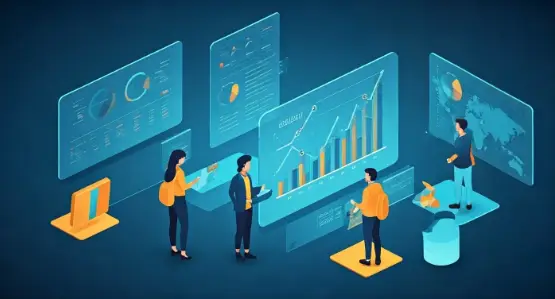
In today’s dynamic marketplace, small businesses are increasingly relying on data analytics to gain a competitive edge. Analytics enable better decision-making by uncovering valuable insights hidden in business data. Whether it’s optimizing operations or improving marketing efforts, small businesses can use analytics to transform raw data into actionable strategies. By embracing the power of analytics, these businesses no longer need to rely on instinct alone—they can make informed decisions that drive growth and enhance customer satisfaction.
Understanding the Role of Analytics in Small Business Growth
Analytics play a pivotal role in helping small businesses grow by organizing complex data and improving decision-making processes. They turn information into actionable insights, enabling businesses to stay competitive even in challenging markets. From identifying consumer patterns to optimizing operations, analytics allow small companies to approach their strategies with data-driven precision.
For small business owners, analytics also offer a way to reduce costs and inefficiencies. By examining real-time metrics, businesses can act swiftly, refining processes and elevating customer experiences for sustained growth.
Defining Business Analytics and Its Importance
Business analytics involves analyzing data to uncover trends and patterns that inform decisions. For small business owners, analytics serve as a vital tool to maximize efficiency and revenue by extracting meaning from valuable data. Whether it’s tracking profits or gauging customer sentiment, analytics simplify complexity into digestible insights.
Technical expertise isn’t always required, as modern analytics tools handle much of the heavy lifting. Businesses can focus on identifying key performance indicators and integrating basic tools like Google Analytics to get started.
These insights help businesses respond proactively, whether it’s improving customer experience or spotting potential risks. Data analytics levels the playing field, allowing small businesses to compete with larger corporations. Ultimately, business analytics empower small businesses to make strategic decisions grounded in evidence, driving growth and sustaining success.
The Impact of Analytics on Small Business Success
Small business data analytics directly contributes to success by delivering actionable insights for smarter decision-making. For instance, analysing customer preferences enables businesses to create products that resonate, boosting customer satisfaction. Similarly, sales data highlights trends, allowing owners to allocate resources optimally and refine marketing efforts.
Using analytics helps reduce guesswork, enabling businesses to anticipate problems before they arise. Tracking operational data reveals bottlenecks, while financial analytics provide clarity on cash flow, aiding budgeting and revenue forecasting.
Moreover, analytics foster improved engagement by identifying gaps in customer interaction. For small businesses, analytics aren’t just tools—they’re growth catalysts that unlock the potential within their existing data, transforming insights into tangible results.
Starting with Analytics: A Step-by-Step Guide for Small Businesses
Starting with data analytics doesn’t have to be overwhelming for small business owners. The first step is identifying key performance indicators (KPIs) and objectives that align with business goals. This shapes the strategy for collecting and processing data effectively.
Once goals are defined, businesses can utilize analytics tools like Google Analytics or CRM systems to gather and process data from relevant sources. By setting clear priorities, small businesses can achieve measurable outcomes through informed and actionable decision-making.
Identifying What Data to Collect and Why
Determining which data to collect begins with defining key performance indicators (KPIs) aligned with business objectives. For example, tracking customer engagement metrics can refine marketing strategies, while monitoring expense trends can inform strategic decisions about operational efficiency.
Data sources are equally essential. Small businesses often find valuable insights in everyday tools like CRM systems or accounting software. These platforms store critical information about customer preferences or payment trends, which can be leveraged for improved outcomes.
Collecting actionable data ensures resources aren’t wasted. By prioritizing areas like sales trends and operational metrics, businesses can focus on growth strategies that align with their goals, making data analysis an integral part of decision-making.
Tools and Techniques for Data Collection
A variety of data analytics tools make collection easier for small businesses. Below is a table outlining popular options:
| Tool | Functionality |
| Google Analytics | Tracks website traffic and user behavior for valuable data insights. |
| Tableau | Simplifies data visualization with charts and graphs for easier analysis. |
| Zoho | Integrates with CRM systems to analyze customer interactions. |
| HubSpot Marketing Analytics | Monitors marketing efforts and campaign effectiveness. |
Techniques like data visualization tools allow businesses to transform raw figures into actionable insights. Using platforms tailored to different needs ensures more streamlined and efficient data analysis. With the right tools and techniques, collecting data becomes effortless, enabling small businesses to achieve their goals.
Leveraging Data to Enhance Marketing Strategies
Data analytics unlocks potential in marketing strategies by refining efforts to match customer needs. Whether through analyzing social media trends or monitoring website data, businesses achieve better outcomes when campaigns align with insights.
By examining customer journeys, businesses can tailor approaches for maximum engagement. With tools like Google Analytics, interpreting customer behavior becomes simpler, enabling effective outreach strategies that enhance customer satisfaction and drive growth.
Analyzing Customer Behavior to Improve Engagement
Understanding customer behavior is essential for boosting engagement in your marketing efforts. Analytics reveal patterns in how customers interact with your website or social media platforms, enabling you to target them more effectively.
Insights from social media metrics such as likes and shares offer deep dives into preferences, helping you craft campaigns that resonate. These insights highlight opportunities to improve the customer experience, leading to stronger connections.
When analyzing behavior, segmenting helps refine targeting. By breaking down audiences based on habits, businesses can deliver personalized messages that foster long-term customer relationships and ultimately enhance engagement.
Tailoring Marketing Campaigns Based on Data Insights
Using data insights, campaigns can be customized to align with customer needs. Here’s how:
- Segment customers by interaction trends to create personalized messaging.
- Use website metrics to identify the best-performing content.
- Rely on customer journey data to target pain points or preferences.
- Design focused campaigns around social media behavior.
- Adapt emails for segmented marketing efforts, leading to higher conversion rates.
By conforming strategies to these data-driven insights, small businesses can improve outreach while optimizing their budget.
Financial Insights Through Analytics
Analytics empower small businesses to take control over financial planning by offering insights into cash flow and sales trends. Using tools like predictive analytics and budget trackers ensures money is allocated efficiently.
Additionally, monitoring revenue forecasting helps businesses anticipate future expenses, ensuring they remain agile and ready to adapt to changes. Integrating financial analytics provides both clarity and strategic direction for sustainable growth.
Budget Optimization with Predictive Analytics
Predictive analytics revolutionises how businesses manage their budgets, offering forecasts based on historical financial data. By predicting potential trends, businesses can allocate resources efficiently, minimizing waste and maximizing returns.
This approach enhances budget optimization by focusing on areas that drive growth. For instance, predictive models might suggest investing in high-performing products or trimming spending on under-utilized services.
With accurate predictions shaping decisions, businesses gain the strategic edge needed to confidently manage costs without compromising quality.
Revenue Forecasting for Better Financial Planning
Revenue forecasting allows businesses to anticipate income patterns by analyzing data. Historical trends and current financial planning metrics provide predictive models for future growth.
Estimating revenue gives businesses the confidence to make strategic decisions about hiring, inventory, and expansion. For instance, trends in sales data can highlight which areas will generate the most money, helping plan targeted investments.
Ultimately, better revenue forecasting redefines how businesses approach projects while ensuring finances align with potential outcomes. It remains a cornerstone of successful growth strategies.
Operational Efficiency and Analytics
Operational analytics offer small businesses a way to streamline workflows and improve efficiency. By analyzing real-time data, bottlenecks in operations can be spotted and resolved.
Whether it’s delivery speed or inventory tracking, these metrics support resource optimization while reducing costs. Embracing analytics helps businesses invest time and money where it’s most effective, driving overall productivity and profitability.
Streamlining Operations with Real-Time Data
Using real-time data gives businesses the agility to respond instantly to challenges. By examining current metrics, inefficiencies in processes such as order fulfillment can be swiftly addressed, boosting operation efficiency.
For example, analytics pinpoint delays in distribution, allowing immediate corrective actions. Teams become more proactive, enhancing overall performance.
Small businesses benefit by removing guesswork, relying instead on accurate measurements of daily activities. This streamlining reduces waste and ensures that resources are put to their optimal use.
Using Analytics to Reduce Costs and Improve Quality
Analytics provide deep insights into cutting costs without sacrificing quality. By identifying inefficiencies, resources are freed up for more productive use, while monitoring data reveals areas to refine.
For instance, operational efficiency metrics can show where time or money is wasted—allowing for strategic interventions. At the same time, insights ensure that quality remains high, focusing improvements where it’s most beneficial.
This dual focus gives small businesses the competitive advantage needed to grow sustainably while staying lean in operations.
Conclusion
In summary, harnessing the power of analytics can be a game-changer for small businesses looking to thrive in a competitive landscape. By systematically collecting and analyzing data, you can gain valuable insights that enhance your marketing strategies, optimize your budget, and improve operational efficiency. This not only boosts your growth potential but also equips you with the tools to make informed decisions that drive success. Embracing analytics is not just about numbers; it’s about understanding your business and customers on a deeper level. To explore how analytics can specifically benefit your business, don’t hesitate to reach out for a consultation.
Frequently Asked Questions
How Can Analytics Influence Decision Making in Small Businesses?
Analytics equips small businesses with the tools to make informed decisions. By extracting actionable insights from raw data, analytics supports a strong data strategy. Whether planning operations or refining marketing campaigns, it allows them to set strategic decisions grounded in evidence.